Skip to Content
G.A. Thompson / Brin/Raven Publishing
Contact
Free Reading
Blog
Press
Essays
Books
About
Shop
Brin/Raven Publishing
(0)
Cart (0)
G.A. Thompson / Brin/Raven Publishing
Contact
Free Reading
Blog
Press
Essays
Books
About
Shop
Brin/Raven Publishing
(0)
Cart (0)
Contact
Free Reading
Blog
Press
Essays
Books
About
Shop
Brin/Raven Publishing

Shop

Filters

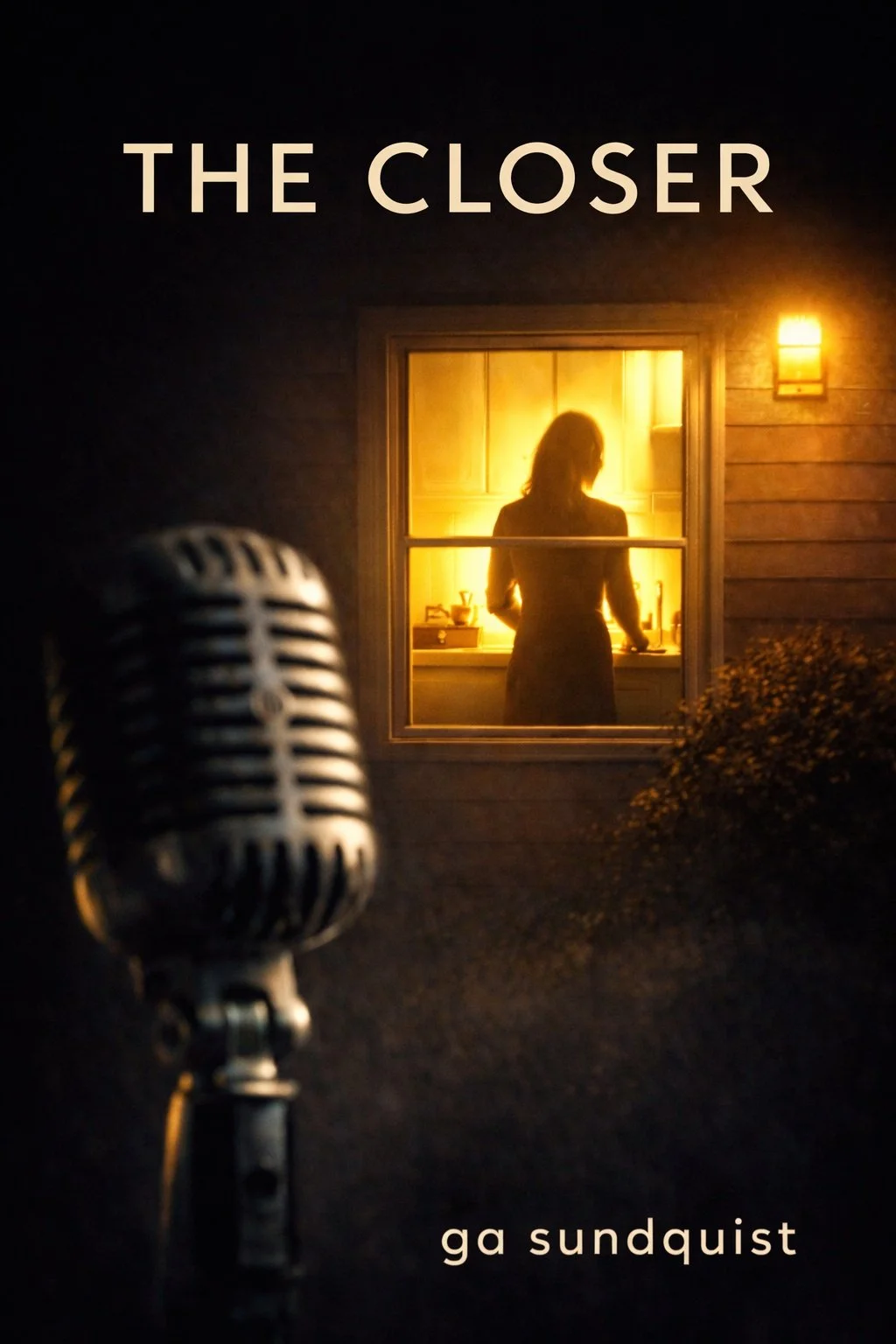
The Closer: A Frank Delaney Mystery the_closer_ga_sundquist.jpg
The Closer: A Frank Delaney Mystery
$12.99
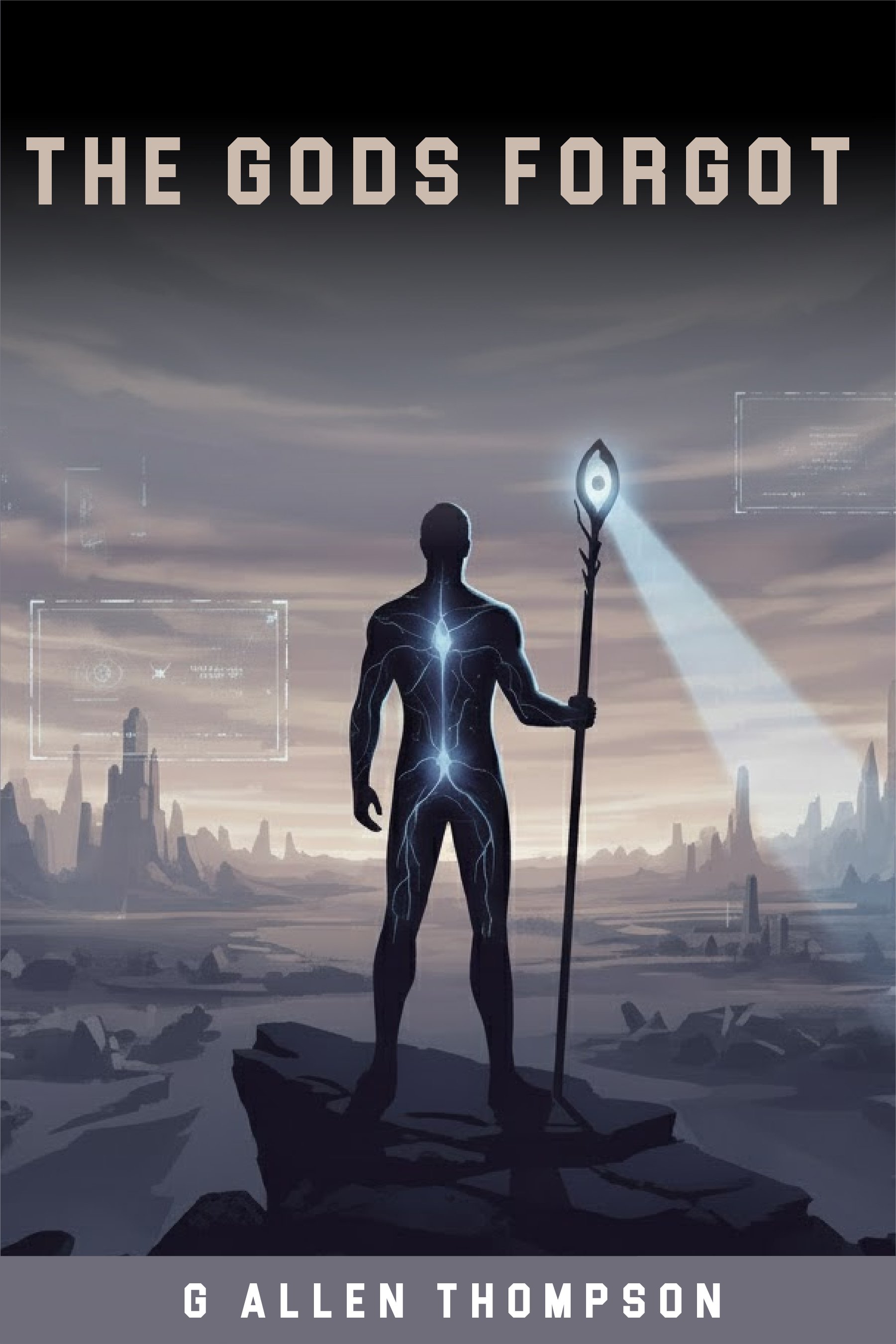
The Gods Forgot the gods forgot.jpg
The Gods Forgot
$18.98
A Magnificent Ride to Nowhere — Free eBook (PDF & ePub) new text.png
A Magnificent Ride to Nowhere — Free eBook (PDF & ePub)
$0.00
Rumor Road Rumor Road.jpg
Rumor Road
$12.83
The Opera Singer's Duel Opera Singer.jpg
The Opera Singer's Duel
$14.95
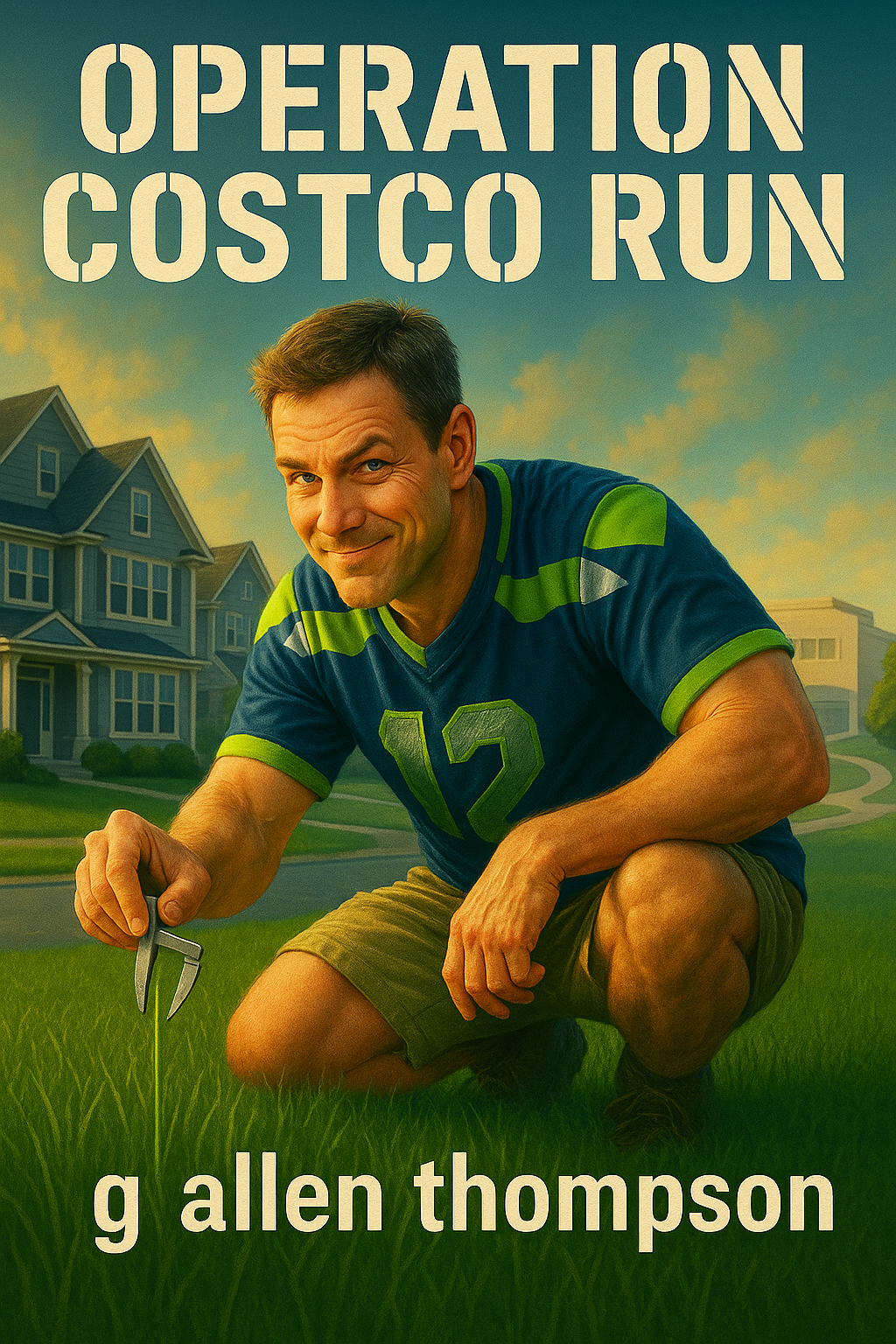
Operation Costco Run this one.png
Operation Costco Run
$12.99
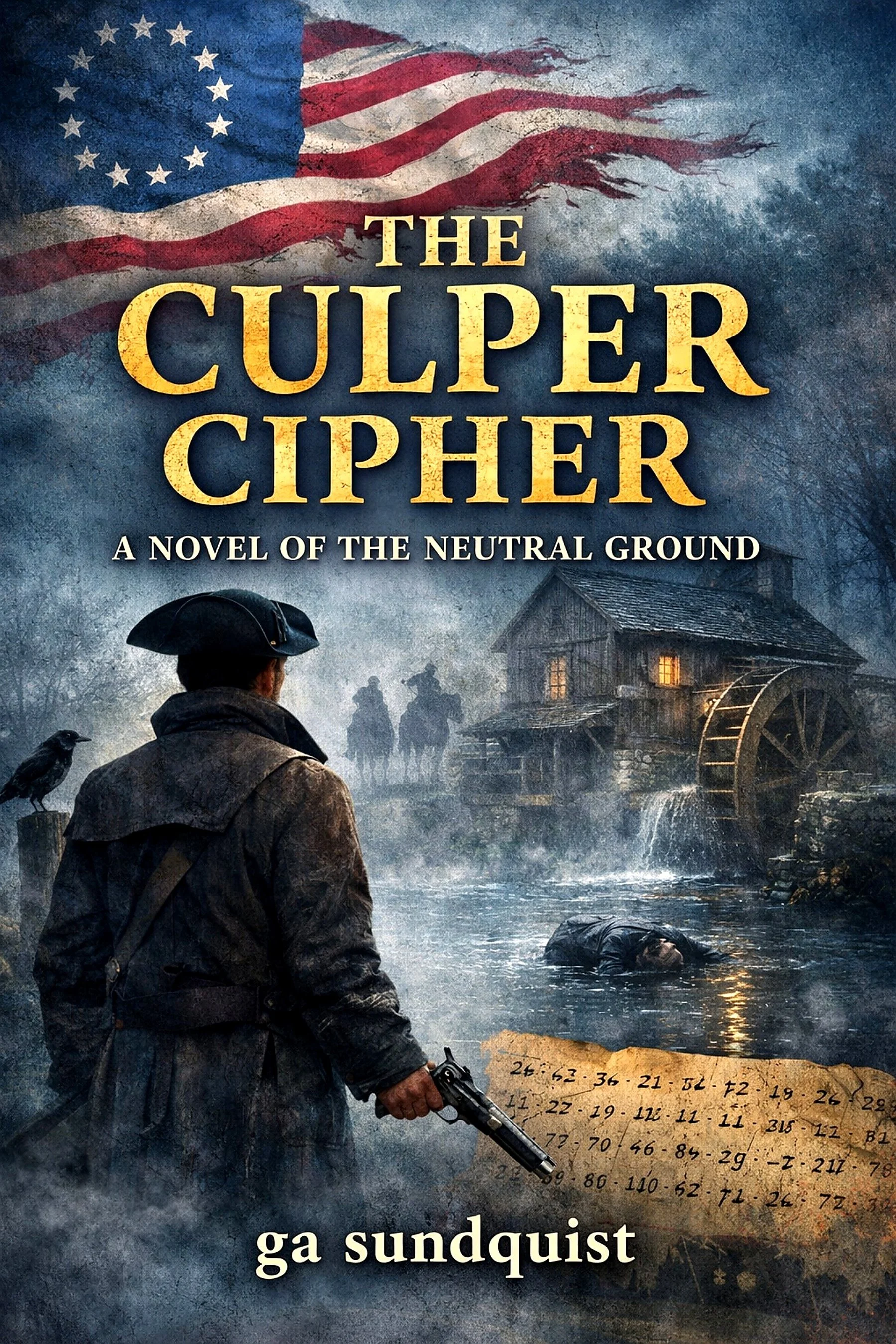
The Culper Cipher culper_cipher_cover_KDP_1800x2700_300dpi.jpg
The Culper Cipher
$9.99
Ochre and Bone ochre_and_bone_contrast.jpg
Ochre and Bone
$12.58
Desert Roses A_book_cover_for_a_crime_mystery_novel_titled_Des.jpg
Desert Roses
$13.99
La Chingasa La Chingsa.jpg
La Chingasa
$11.99
Shadow Wars: The Forging of American Intelligence DIGITAL_BOOK_THUMBNAIL.jpg
Shadow Wars: The Forging of American Intelligence
$19.99
A Magnificent Ride to Nowhere this one   A_Magnificent_Ride_to_Nowhere_KDP_Cover_gradient.jpeg along the Colorado.jpg monument valley.jpg zion2.jpg
A Magnificent Ride to Nowhere
$15.99

No results found

No results match your search. Try removing a few filters.

For a limited time I’m offering The Bone Reader for free to anyone connected to this work — advocates, educators, tribal organizations, families, and anyone who believes these stories need to be told.

Bone Reader is a novel about forensic anthropologist Dr. Maya Quintana, a former FBI agent now working independently in New Mexico. When remains are discovered during a backyard construction project in the East Mountains outside Albuquerque, Maya determines they belong to a Navajo woman who has been in the ground for approximately fifteen years — a woman who disappeared and was never found, never investigated, never given the attention her case deserved.

The investigation that follows exposes something far larger than a single death. Maya and Detective Sarah Mora trace the remains back to a serial killer who preyed on Indigenous women for decades without consequence because of the jurisdictional gaps and institutional indifference that MMIW families and advocates have been demanding accountability for all along.

The book is fiction. The crisis it portrays is not. The jurisdictional failures, the underfunded tribal law enforcement, the media silence, the families left to become their own investigators — these are drawn directly from the reality of MMIW in the American Southwest.

The novel includes an extensive author's note on the MMIW crisis, a glossary of Southwestern cultural and forensic terms, a reading group guide, and resources for organizations working to address violence against Indigenous women.

free download

BOOKS

Category

Link One
Link Two
Link Three

Category

Link One
Link Two
Link Three

Beneath the Southernmost seas, memory has a heartbeat.

Across centuries and Beneath the Southernmost seas, memory has a heartbeat.
Across centuries and dimensions, a single covenant binds the living and the drowned. Six guardians made their choice long ago—offering blood to anchor their souls in coral, to hold back something vast, patient, and inhuman.
Blood and Coral begins the story with a ritual of sacrifice and love that defies death. Song and Silence carries it into the aftermath, where voices echo through the reefs of distant worlds. Breath and Return closes the cycle, as the sea calls its children home.
The Blood and Coral Cycle is a mythic trilogy of literary horror and ecological reverence—a story of cosmic dread, human devotion, and the quiet, terrifying persistence of love.

dimensions, a single covenant binds the living and the drowned. Six guardians made their choice long ago—offering blood to anchor their souls in coral, to hold back something vast, patient, and inhuman.

Blood and Coral begins the story with a ritual of sacrifice and love that defies death. Song and Silence carries it into the aftermath, where voices echo through the reefs of distant worlds. Breath and Return closes the cycle, as the sea calls its children home.

The Blood and Coral Cycle is a mythic trilogy of literary horror and ecological reverence—a story of cosmic dread, human devotion, and the quiet, terrifying persistence of love.


In a near-future America built on the profits of death itself, ResurrectionCorp has perfected the technology to bring the dead back—not as monsters, but as tireless workers. Officially called the Returned, these resurrected citizens sustain the global economy. Unofficially, they are slaves who have forgotten who they were.
Told through intersecting perspectives—Marcus Chen, a mid-level operations manager complicit in the system; Sophie Reeves, a teenage girl whose father was resurrected against his will; and Senator Patricia Vance, a lawmaker haunted by the “acceptable losses” she once authorized—the novel traces the moral and political collapse of a society that has made death profitable.
What begins as a bureaucratic horror—the corporate erasure of the word “zombie” from public language—builds into a global reckoning. As memory reasserts itself among the Returned, awakening spreads like contagion. A silent rebellion emerges: the resurrected sit and hum in unison, an act of mourning and defiance. With the world watching, the illusion of control dissolves.
Dr. Sarah Chen, the scientist who began it all, exposes the truth—that consciousness cannot be erased, only suppressed—and the nation faces a choice between conscience and collapse. Protest erupts, the economy falters, and the courts must finally decide whether the Returned are property or people.
In its climactic chapters, The Failed Resurrection Economy becomes both courtroom drama and elegy. Sophie records the testimonies of the awakened, preserving their stories as evidence of humanity’s refusal to be forgotten. The novel ends on a fragile note of hope: truth has surfaced, but redemption remains uncertain.
Blending corporate satire, moral philosophy, and emotional intimacy, this work explores how language can normalize atrocity, how love persists across death and data, and how the soul resists commodification—even when the law forbids its name


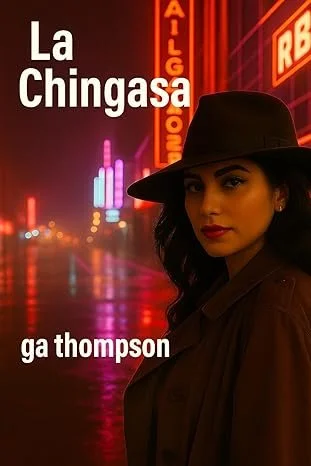
El Paso, 1954. The border city simmers with tension—Mexican and American, legal and illegal, truth and lies all bleeding together in the desert heat. Private investigator Lucía Torres has built a career finding things people want to stay lost and uncovering truths others would rather keep buried. But she's never taken a case like this.
Lila Reyes comes to Lucía with a simple request: help her understand the photographs her husband Rafael left behind before he died. Rafael was a soldier at Fort Bliss who wrote his wife cryptic letters suggesting he'd witnessed something terrible. Now he's dead—officially a training accident—and Lila doesn't believe it.
The photographs reveal something explosive: Congressman William Walker, rising political star and war hero, executing a Mexican man in cold blood. It's the kind of evidence that could destroy a powerful man's career and life. It's also the kind of evidence that gets people killed.
Lucía partners with Captain Tomás Ramírez, one of the few honest cops in a department riddled with corruption. Together they begin building a case against Walker, even as threats escalate and Walker's fixer, the cold and efficient Mitchell, begins eliminating anyone who knows too much. When Rafael's family is terrorized and witnesses start disappearing, Lucía realizes the congressman will stop at nothing to protect himself.
Amid the danger, Lucía finds unexpected solace with Luz Morales, a singer at El Lamento, the cantina where truth and secrets mix as freely as the drinks. Their growing love offers refuge from the violence, but also represents another risk in a world where being queer can destroy your life—or end it.
As Lucía gets closer to exposing Walker, the stakes get higher. A warehouse shootout leaves bodies in its wake. Ramírez is murdered. The border erupts in riots. And Mitchell makes it clear: walk away or everyone Lucía loves will die.
Now Lucía must decide: is justice worth survival? Can truth defeat power? And when the final confrontation comes on the international bridge between two countries, two worlds, two futures—will she choose revenge or mercy, death or life, the past or tomorrow?
La Chingasa is a noir thriller about corruption and justice, about the borders we cross and the ones we carry, and about finding love and building home in a world determined to destroy both.

Shadow Wars: The Forging of American Intelligence is a sweeping history of how the United States learned—and repeatedly forgot—the art of intelligence. From Nathan Hale and the Culper Ring in the Revolutionary War through the Civil War, World War I, and into the early Cold War, the book reveals a destructive cycle: wartime innovation followed by peacetime abandonment. Again and again, hard-won lessons in espionage, analysis, and operational security were discarded, leaving the nation vulnerable to surprise and failure.

Culminating in Pearl Harbor and the later “bomber gap” and “missile gap” crises, Shadow Wars argues that American intelligence failures were not accidents but the predictable result of institutional amnesia and cultural resistance to espionage. Only after World War II did the United States finally break this pattern by creating permanent intelligence institutions—progress that brought new power, and new dangers. Drawing on two centuries of conflict, the book shows why intelligence is as decisive as armies or weapons, and why preserving its lessons is a matter of national survival.